Biometric SSO
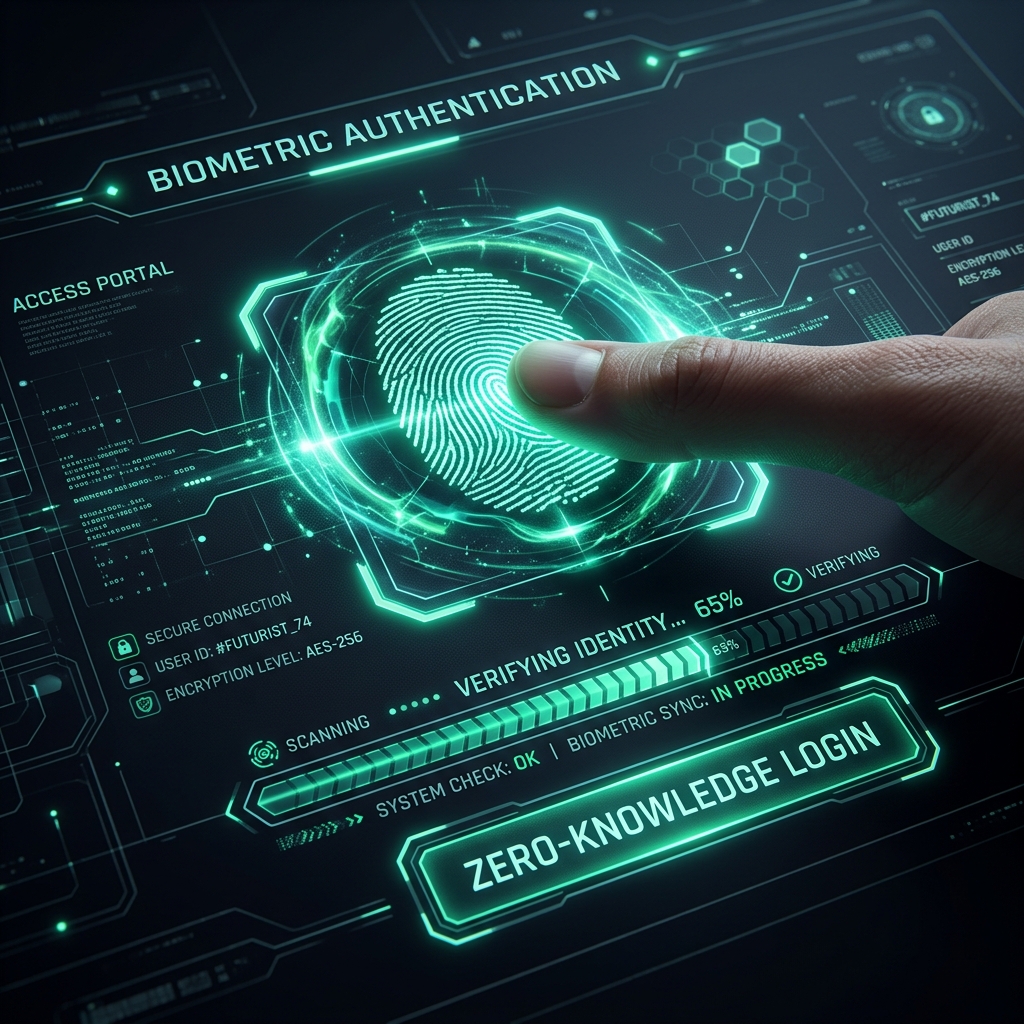
Passwordless access across all internal applications using device-bound biometric signatures (Face ID, Touch ID, Windows Hello) mapped to a zero-trust identity provider.
Enterprise software, built and audited in India.
dAuth replaces passwords with device-bound biometric signatures and contextual MFA — giving your users frictionless access while giving your security team total control.
Capabilities
dAuth makes security invisible to end users while keeping your security team fully in control.
Passwordless access across all internal applications using device-bound biometric signatures (Face ID, Touch ID, Windows Hello) mapped to a zero-trust identity provider.
Authentication challenges dynamically adjust based on behavioral risk models, IP reputation, geographical velocity, and device trust score — blocking stolen-token replays.
Drop-in SSO integration for thousands of SAML and OIDC-compatible enterprise applications. dAuth acts as a scalable identity broker across your entire tech stack.
Define fine-grained access policies based on user roles, department, device health, and time-of-access. Enforce least-privilege across every connected application.
Bridge identities across Azure AD, Okta, Google Workspace, and on-premise Active Directory simultaneously — without requiring user migration or credential duplication.
Deploy dAuth entirely within your own network perimeter. All authentication events, identity data, and session tokens stay inside your infrastructure.
Zero trust
dAuth enforces continuous verification — not just at login. Every API call, every session action, every resource request is re-evaluated against identity, device health, and current risk context.
Sessions are not static tokens. dAuth continuously re-evaluates trust signals and can instantly revoke access if risk context changes mid-session.
Endpoints must pass real-time health checks — patch status, disk encryption, endpoint protection — before being granted application access.
Every authentication event, MFA challenge, and access grant is permanently recorded in a tamper-evident log for compliance and forensic investigation.
Questions
Yes. dAuth implements passwordless access using device-bound biometric signatures (Face ID, Touch ID, Windows Hello) that map directly to a centralized Zero-Trust identity provider — no passwords ever transmitted.
Yes. dAuth is fully OAuth2 and OIDC compliant, enabling drop-in integration with Azure AD, Okta, Google Workspace, and thousands of SAML-compatible enterprise applications.
dAuth uses contextual MFA that dynamically adjusts challenge requirements based on real-time behavioral risk models, IP reputation, geographical velocity, and device trust score — preventing stolen-token replay attacks.
Yes. Enterprise clients can deploy dAuth entirely within their own infrastructure using Docker containers, ensuring all identity data and authentication events remain within their own network perimeter.
Get started
Biometric SSO. Contextual MFA. OAuth2/OIDC. Deploy dAuth across your enterprise today.